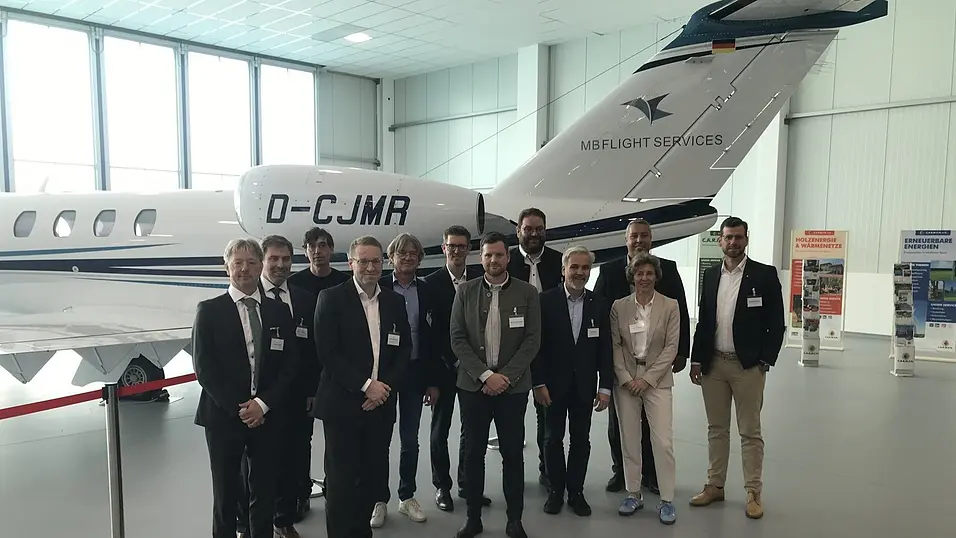
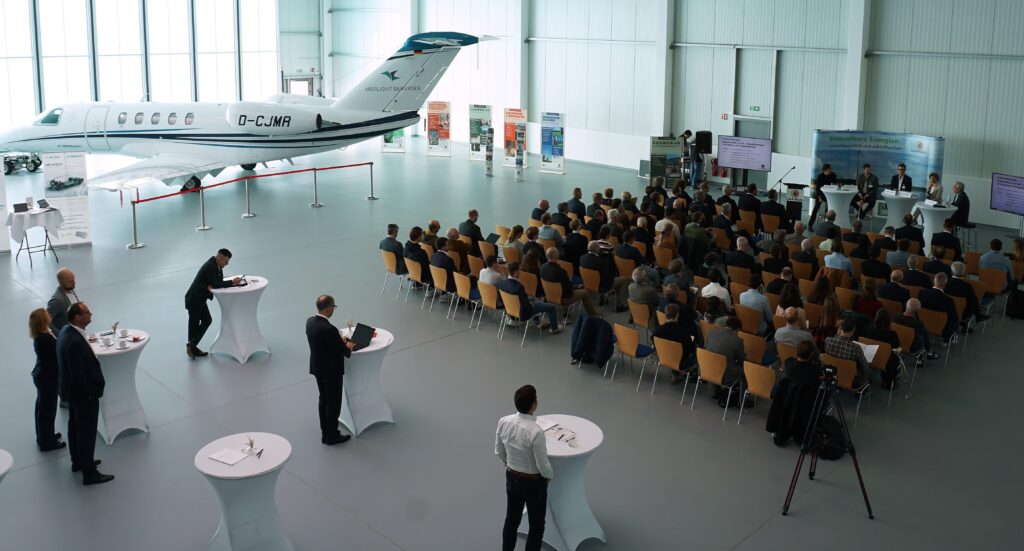
On 22 October 2026, the Renewable Fuels Forum in Straubing brought together stakeholders from politics, research, and industry to discuss the development and market ramp-up of renewable fuels. The event was organised by C.A.R.M.E.N. e.V., with TUM Campus Straubing and Straubing Airport as cooperation partners.
During the morning session at Straubing-Wallmühle Airport, the focus was particularly on regional value creation, sustainable aviation fuels, and the conditions required for establishing future fuel production. In the afternoon, attention shifted to current research activities, technologies, and projects at the Straubing site.
SynergyFuels: From integrated process chains to market ramp-up
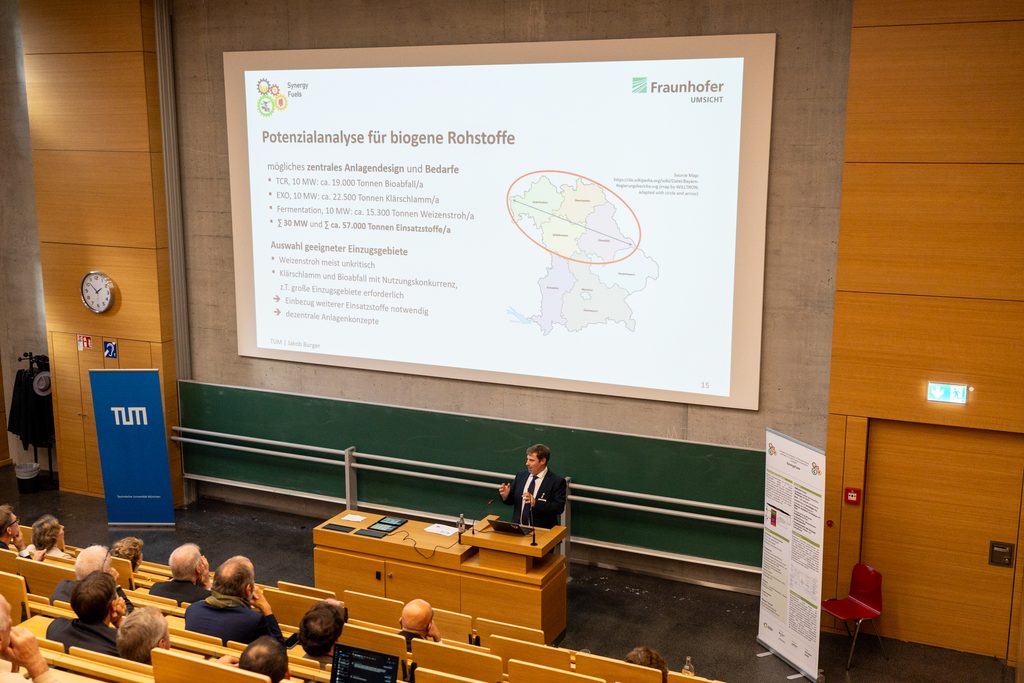
At the start of the afternoon programme, Prof. Dr.-Ing. Jakob Burger and Dr. Júnior Staudt presented current results from the SynergyFuels joint research project. The project develops an integrated refinery concept combining biogenic residues with Power-to-X processes. Thermochemical, electrochemical, and biotechnological processes are integrated to use carbon and energy as efficiently as possible for the production of renewable fuels.
Prof. Burger then presented results from the SynergyFuels workshop held on the previous day, “€10 billion for the market ramp-up of renewable fuels – where and how should it best be invested?” Further insights into current activities related to renewable fuels were provided by Dr. Arne Roth (Fraunhofer IGB), Dr.-Ing. Robert Daschner (Fraunhofer UMSICHT), and Dr.-Ing. Peter Emberger (TFZ). Together, these contributions highlighted the broad range of research and development activities in Straubing and beyond.
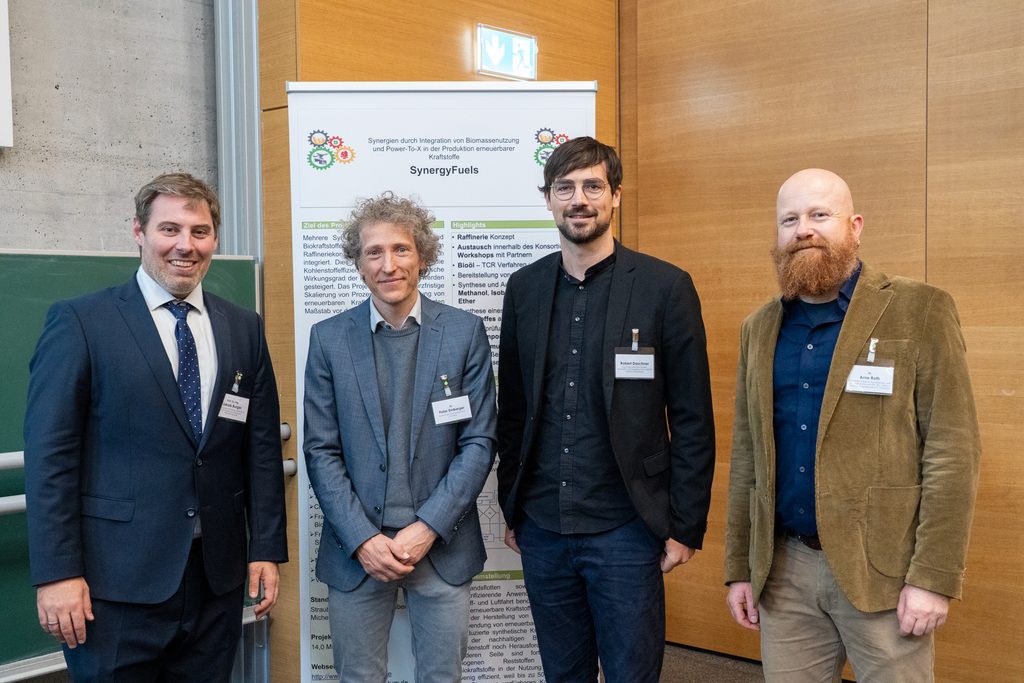
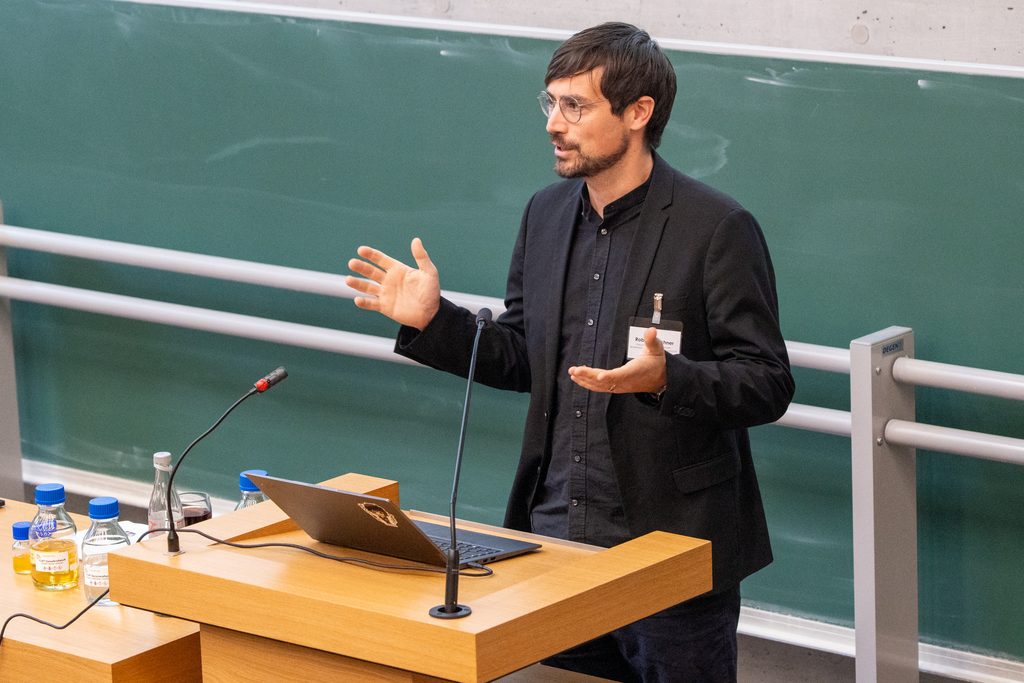
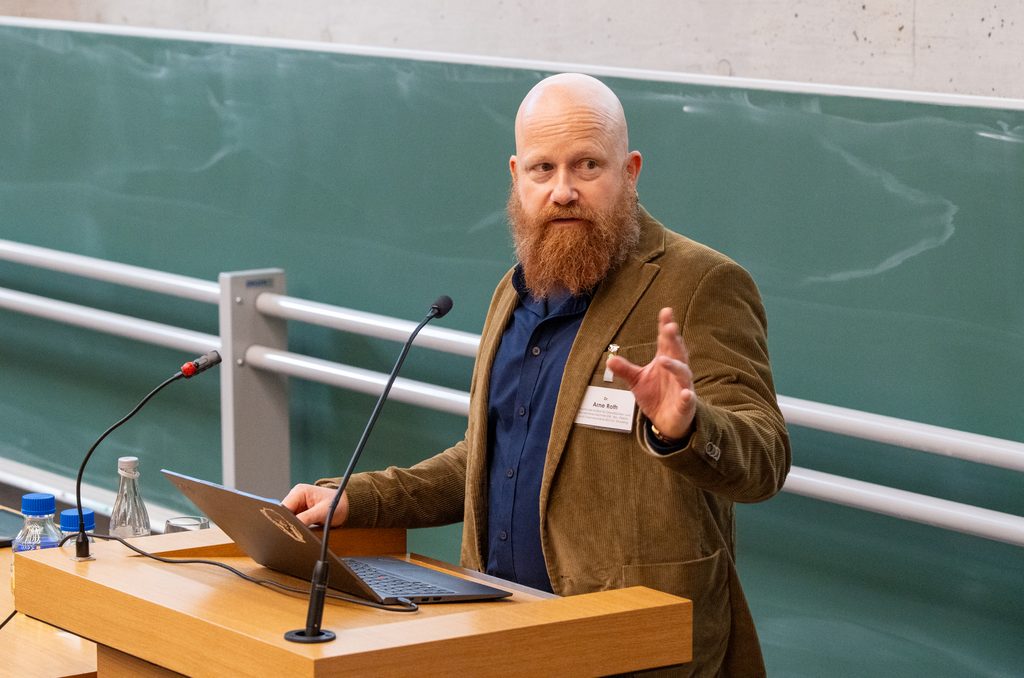
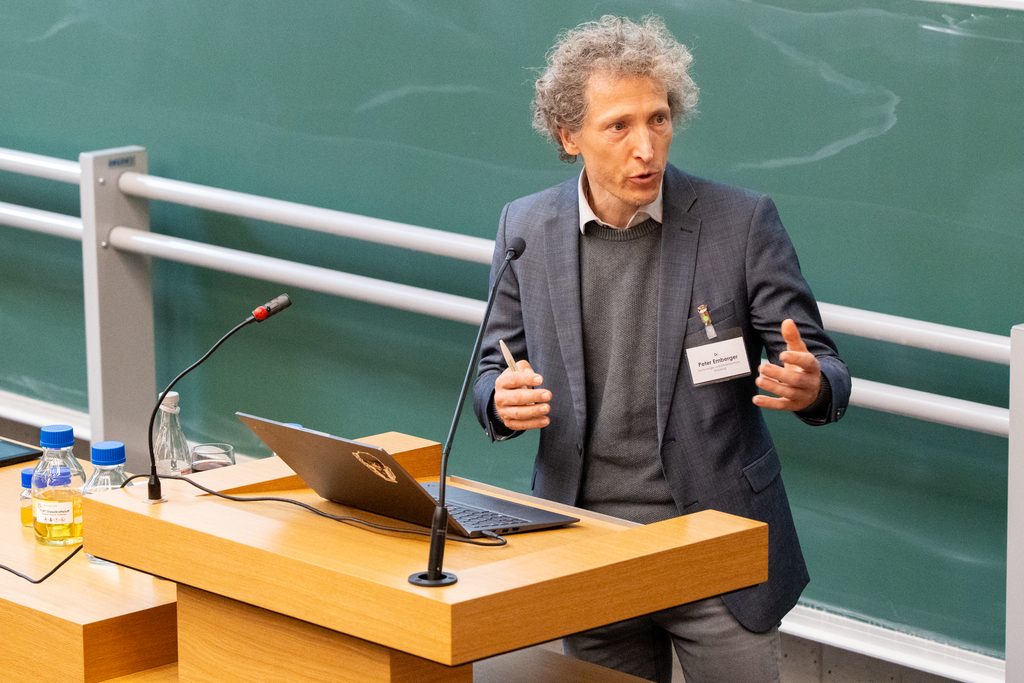
Insights into research activities on renewable fuels: Prof. Dr.-Ing. Jakob Burger, Dr. Arne Roth, Dr.-Ing. Robert Daschner, and Dr.-Ing. Peter Emberger at the Renewable Fuels Forum. Image source: Jan Winter/TUM.
Research meets practical application
Before Dr. Claudia Stutz, State Secretary at the German Federal Ministry of Transport (BMV), opened the second part of the afternoon with her welcoming remarks, Prof. Dr. Volker Sieber, Rector of TUM Campus Straubing, welcomed the guests and placed the activities at the Straubing site within the broader research and innovation landscape. Dr. Stutz subsequently highlighted the importance of Straubing for advancing renewable fuels and connecting research with practical application.
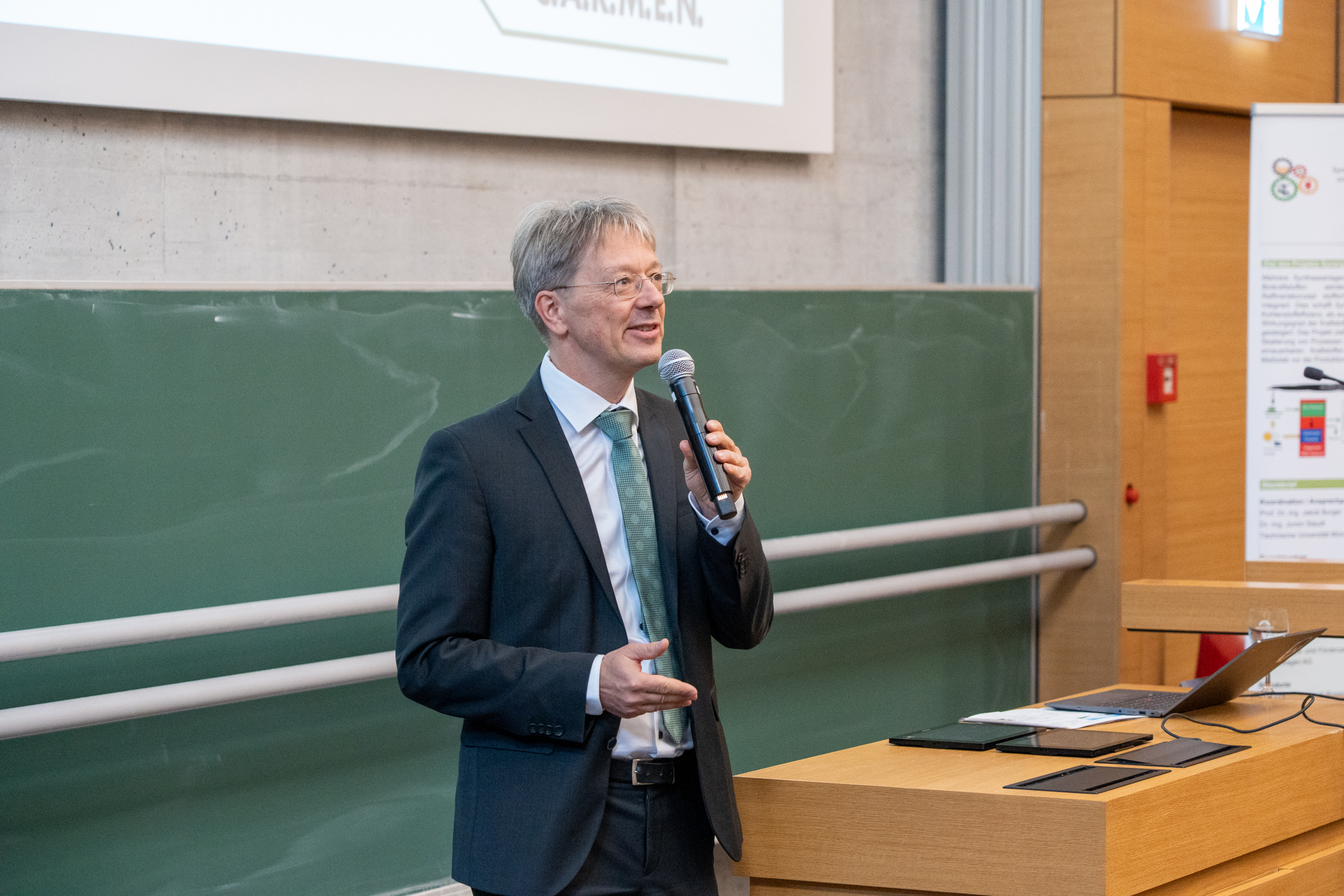
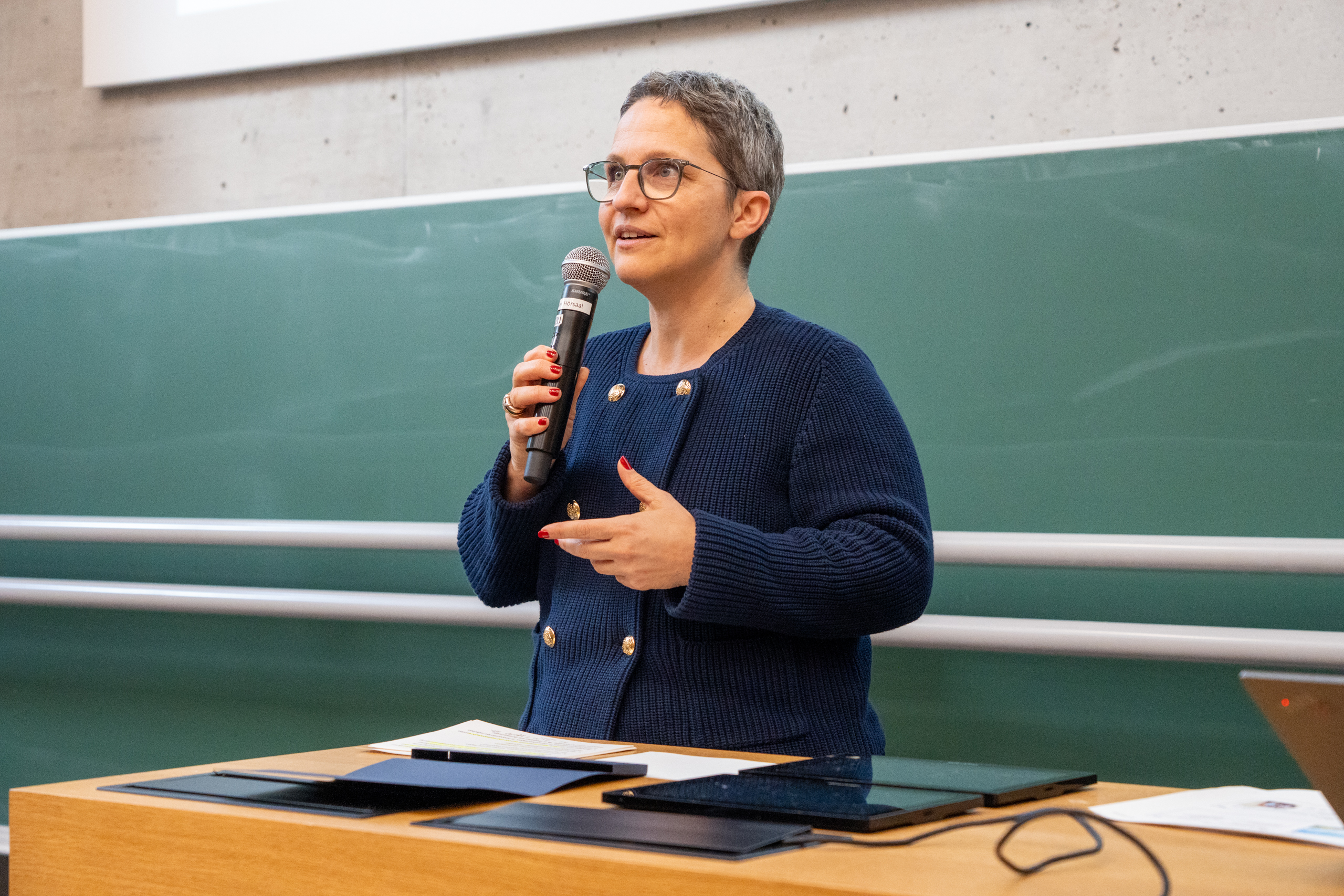
The focus then moved directly from the lecture hall to the research facilities. During guided tours, participants gained insights into different technologies along the renewable-fuel value chain. At TUM Campus Straubing, the OMBE demonstration plant was among the facilities presented, where new oxygenated fuel components are produced at a at a near-industrial scale.
Further stops included Fraunhofer IGB, where processes for the thermocatalytic synthesis of fuels from CO₂ and hydrogen are being developed and scaled up, and the Technology and Support Centre (TFZ), which investigates renewable fuels, including their use in agricultural machinery.
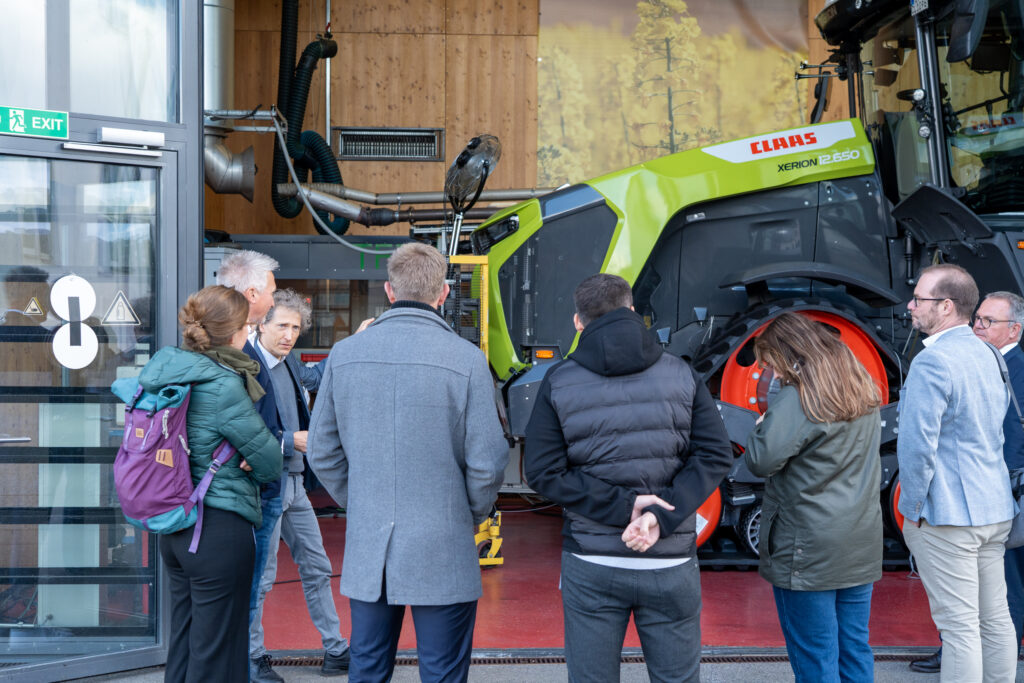
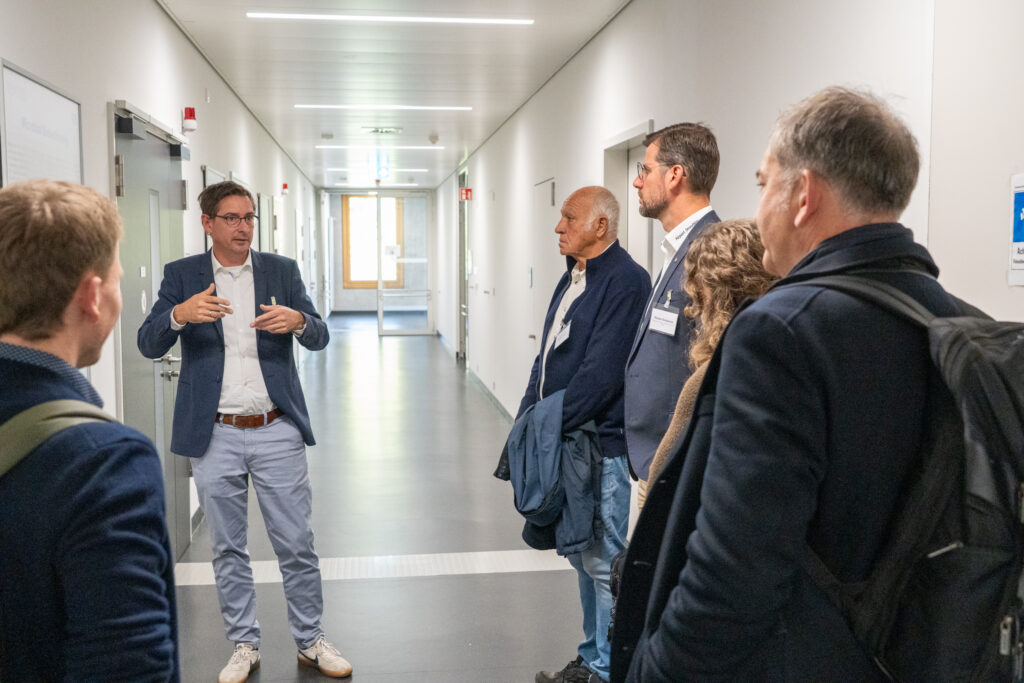
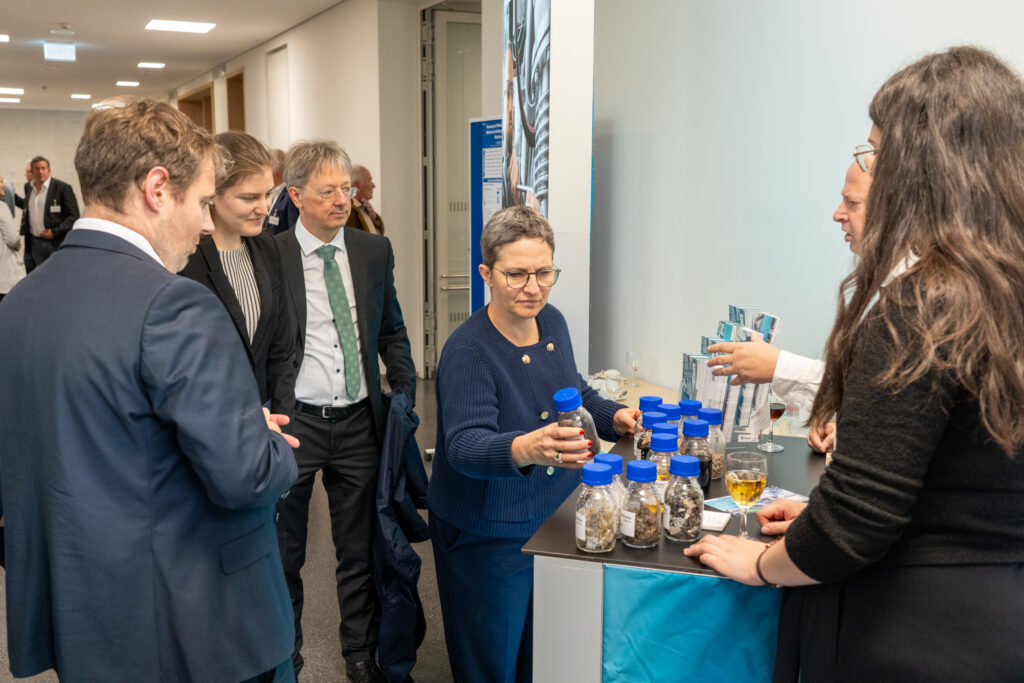
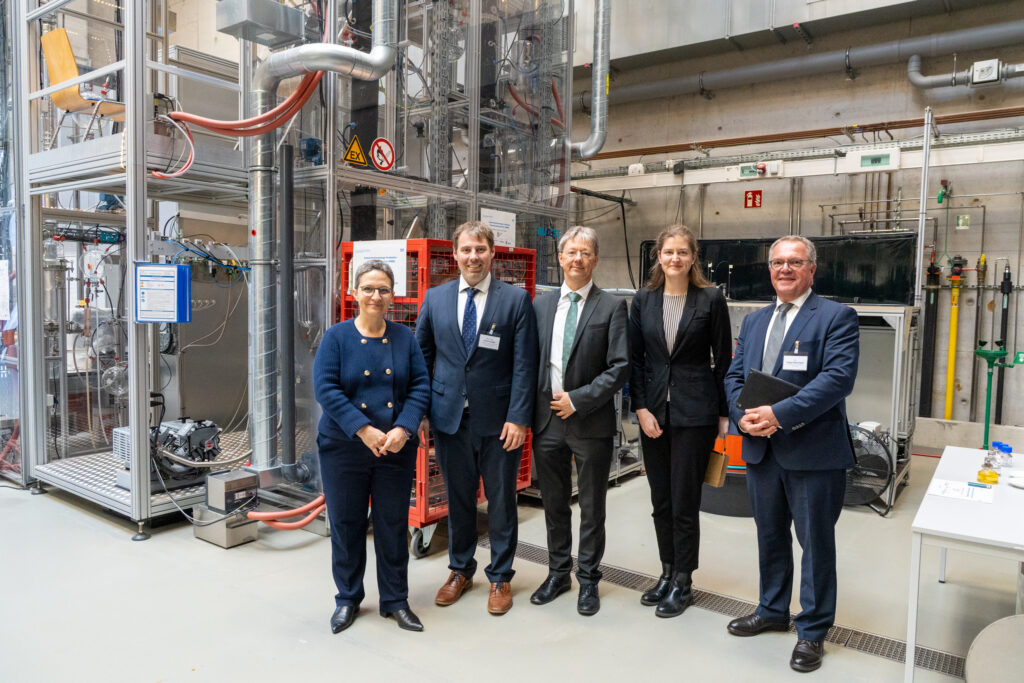
Insights into the research infrastructure at the Straubing site. Image source: Jan Winter/TUM.
The Forum demonstrated the strong conditions Straubing offers for the development of renewable fuels: short distances between research, demonstration, and practical testing, a diverse research infrastructure, and close cooperation between science, industry, and public stakeholders.
For SynergyFuels, the event also provided an opportunity to present current project results to a broad professional audience and to position the technologies developed within the project in the wider discussion on the market ramp-up of renewable fuels. We would like to thank C.A.R.M.E.N. e.V., the cooperation partners, and all participants for organising the event, the interesting discussions, and the valuable exchange.